After the successful first generation Freelander 1 the Rover Group produced between 1998 and 2006, it now unveiled its successor in the Landrover Freelander 2 unveiled at the 2006 British International Motor Show. It was released in Europe in 2007 and was sold in the American markets as the Land Rover LR2. Before getting officially announced at the motor show, the second generation Freelander was presented at the Kensington Roof Gardens in a lavish occasion featuring tennis sports celebrity Maria Sharapova before a team of journalists and media professionals.
A Better Freelander
Production of the Freelander 2 was moved from the Solihull plant in Birmingham to Halewood in England near Liverpool. It now shared production of the Jaguar X-Type automobile. It used a chassis based on the global midsized EUCD platform (European C/D class) that accommodated a larger transversely-mounted Volvo SI6 3.2 liter inline 6-cylinder petrol engine that also powered the new Volvo S80.
It came with 6-speed manual and automatic transmission. The UK version didn't get this engine but instead got a 2.2 liter DW12 common rail turbo-charged diesel engine jointly developed with the French PSA (Peugeot Societe Anonyme) to power its new Peugeot Citroen cars.
With improved ground clearance and off-road handling capabilities, the second generation Freelander matched the Land Rover tradition for off-road superiority found in its Discovery and Defender line and proved superior to its European SUV rivals. In addition, the Freelander 2 sported improved interior quality, road safety features as well as modified Terrain Response off-road system used in the new Discovery III and upscale Range Rover. The Rover Group and the Swedish Haldex Traction AB jointly developed its four-wheel drive system using the third generation Haldex coupling which was also fitted in the complete 2005 to 2008 Volvo models
The Landrover Freelander 2 was introduced in the US markets as the LR2 HSE in 2007 sporting the 6-cylinder 3.2 liter inline petrol engine capable of 230 hp on a 6-speed automatic transmission gear train. It came with the luxurious interior appointments the US markets had become accustomed seeing in an SUV but was bettered with a Cold Climate System that heated the front windscreen and front seats at two heating levels as well as a heated windscreen water jet, a 14-speaker 440-watt surround system from Alpine, touch navigation screens, and bi-xenon headlights to mention some.
The Latest Freelander 2 TD4_e
The Rover Group launched the Freelander 2 TD4_e in 2009 which marked the first SUV in the UK to use an eco-friendly stop-start technology to economize fuel consumption and reduce CO2 emissions. The in the designation stands for e-Terrain Technologies presumably referring to 'earth' and was Land Rover's answer to the emerging trends in environmentally friendly road vehicles.
With the e-technology, the engine stops when in idle gear and instantly resumes when engaging the clutch pedal. A heavy-duty starter motor acts as a generator to recover energy from its regenerative braking using capacitors to store energy and restart the engine without engaging the starter battery. The e-Terrain is expected to be used in subsequent hybrid Freelander models.
Showing posts with label world car. Show all posts
Thursday, July 22, 2010
Monday, July 12, 2010
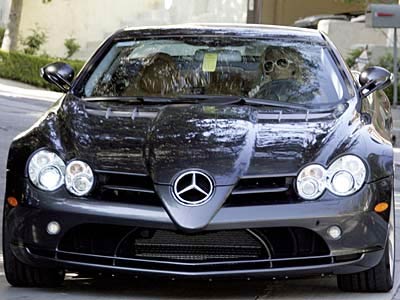
Paris Hilton Sexy luxuries Car
Many people wonder what the contents of rest houses one of the heir to the Hilton family fortune, Paris Hilton. An American-based men's magazine, Esquire, get exclusive access to explore the luxurious home of Paris Hilton.
The tour begins quite warm. In the living room of his house, there are photographs and drawings on display everywhere. Terlhat many photos of Paris itself, which is certainly the hottest poses.
Paris entered the room, there is a table on which were displayed many photographs of Paris together with his friends. At night, the master bedroom was cold and windy. Cross the threshold to feel a bit like passing an invisible line that marks a limit of clothing stores and perfume, the scent is very soft musk roomantis.
A pair of floor fans seemed to revolve. Then there is the balcony door, which overlooks the pool and gorge on the outside of the open very wide. Below, you can see the San Fernando Valley, illuminated by a constellation of lights like in the suburbs.
Dogs Paris, Marilyn Monroe (hairy blond) and Prince Baby Bear romp with Princess Pigelette, mini pet pigs. Tinkerbell, Paris's chihuahua dog types who always carried, now living in Paris's parents' house.
"Tinkerbell was not able to be here. He was very jealous of all dogs, but every time he came and stayed with me," said Paris.
Before going to lunch at the Ivy, Paris felt as if his car is too dirty to drive, so he sprayed his car with water. On the way home from the restaurant, Paris is surrounded by paparazzi. Chase ensued as it passes through Beverly Hills. She also posed with a style like Madonna in the clip "Like a Virgin". Then, driving a blue Bentley car, and through the congestion.
The tour begins quite warm. In the living room of his house, there are photographs and drawings on display everywhere. Terlhat many photos of Paris itself, which is certainly the hottest poses.
Paris entered the room, there is a table on which were displayed many photographs of Paris together with his friends. At night, the master bedroom was cold and windy. Cross the threshold to feel a bit like passing an invisible line that marks a limit of clothing stores and perfume, the scent is very soft musk roomantis.
A pair of floor fans seemed to revolve. Then there is the balcony door, which overlooks the pool and gorge on the outside of the open very wide. Below, you can see the San Fernando Valley, illuminated by a constellation of lights like in the suburbs.
Dogs Paris, Marilyn Monroe (hairy blond) and Prince Baby Bear romp with Princess Pigelette, mini pet pigs. Tinkerbell, Paris's chihuahua dog types who always carried, now living in Paris's parents' house.
"Tinkerbell was not able to be here. He was very jealous of all dogs, but every time he came and stayed with me," said Paris.
Before going to lunch at the Ivy, Paris felt as if his car is too dirty to drive, so he sprayed his car with water. On the way home from the restaurant, Paris is surrounded by paparazzi. Chase ensued as it passes through Beverly Hills. She also posed with a style like Madonna in the clip "Like a Virgin". Then, driving a blue Bentley car, and through the congestion.
Tuesday, July 6, 2010
Jet Car Drag Race (World Fastest women jet car drivers)
world fastest women jet Car drivers Drag RACING 1/4 Mile ,
This video will show the fact that women also have the courage in the world of racing
Labels:
automotive,
car,
Racing,
unique,
world automotive,
world car
Monday, July 5, 2010
Solar Car Racing in Australia
Solar car or solar energy, is the type of electric vehicle that uses solar energy as a source of energy. Solar energy captured by using solar cell panels are then used to drive an electric motor that serves to turn the wheel. To be able to use stabilized then the car is equipped with solar energy storage (energy storage) is usually used batteries / battery.
Wednesday, June 30, 2010
origin of the discovery of mirror
Many biker's menggangap rearview mirror as "a display of" sheer, assuming there is also a rearview mirror to make the motor look less cool and slang.
So many of the biker off the rearview mirror or replace the rearview mirror that looks less slang, but unfortunately the mirror is not working. That kind of thing is very dangerous for the riders themselves and also endanger other motorists.
You do not know its history in the rearview mirror? Here's the history of the rearview mirror. Once in the early 1900s when the car is still a new thing, and racing cars started to grow, each participant's race car mechanic always brings.
This mechanical task is to fix the car if it breaks during the race. With the increasing development of technology, so the engine is more sophisticated and less mechanical damage and no longer needed.
Mechanical function was later changed to "observer" that help the driver. So then in charge of observing this mechanical state of the car behind them, so the driver can know if there are other peseerta car that will "overtake" them. Every car racing cars participating in this era always carried two passengers, one charge of driving a car and another charge of observing the situation behind them.
Later in the year 1911 at the Indianapolis 500 race, one participant was having trouble finding mechanics to become observers to monitor the situation backwards. As a way out he then put a mirror in his car. By using this mirror he can see if there are any other race participants will precede or nyalip. Because the transported load is lighter, the car could walk faster and finally he won the race. The next year all participants of the race car rearview mirror installed in their cars, and since then all the cars using the rearview mirror.
So for the biker who has not pakek mirror and mirror not meet the standard, plug the rearview mirror that really works. Do not wear the rearview mirror, rearview mirror or just for display only. Dangerous for other motorists and also let the police officer not on the ticket. so ... keep good buddies all vehicle glass mirror.
So many of the biker off the rearview mirror or replace the rearview mirror that looks less slang, but unfortunately the mirror is not working. That kind of thing is very dangerous for the riders themselves and also endanger other motorists.
You do not know its history in the rearview mirror? Here's the history of the rearview mirror. Once in the early 1900s when the car is still a new thing, and racing cars started to grow, each participant's race car mechanic always brings.
This mechanical task is to fix the car if it breaks during the race. With the increasing development of technology, so the engine is more sophisticated and less mechanical damage and no longer needed.
Mechanical function was later changed to "observer" that help the driver. So then in charge of observing this mechanical state of the car behind them, so the driver can know if there are other peseerta car that will "overtake" them. Every car racing cars participating in this era always carried two passengers, one charge of driving a car and another charge of observing the situation behind them.
Later in the year 1911 at the Indianapolis 500 race, one participant was having trouble finding mechanics to become observers to monitor the situation backwards. As a way out he then put a mirror in his car. By using this mirror he can see if there are any other race participants will precede or nyalip. Because the transported load is lighter, the car could walk faster and finally he won the race. The next year all participants of the race car rearview mirror installed in their cars, and since then all the cars using the rearview mirror.
So for the biker who has not pakek mirror and mirror not meet the standard, plug the rearview mirror that really works. Do not wear the rearview mirror, rearview mirror or just for display only. Dangerous for other motorists and also let the police officer not on the ticket. so ... keep good buddies all vehicle glass mirror.
General Motors Board Decides To Keep European Opel Unit
Last Month General Motors Co. decided to sale their European Opel unit to Canadian auto parts maker Magna International. This month however, General Motors Co. has decided to keep Opel themselves.
This decision was made Tuesday after a long meeting in Detroit; the CEO of General Motors Fritz Henderson reported that General Motors will present its reconstructing plan forOpel to the German government soon. Magna's co-CEO Siegfried Wolf reported that Magna would continue to support both General Motors and Opel through-out the future.
General Motors has had a very tough time through-out this recession. They lost more than $8 billion through-out the past 4 years and have received $50 billion forgovernment aid. They announced the selling Opel in hope that their profit would go up in both Latin America and Asia.
At 54,000 workers and sells in cars such as Vauxhall, Opel, Cadillac and Chevrolet General Motors has the fourth highest auto sales in Europe coming in after VW Group, PSA Group and Ford Motor CO. European sales dropped 6.6 percent through the month of December and sales of Vauxhall and Opel cars have dropped even further coming in at 11.4 percent.
While General Motors had to file for bankruptcy earlier this year, Opel was kept out of the filing. Sixty-five percent of Opel was under the care of a trust while the other 35 percent was withheld by General Motors.
General Motors was not the only company having many problems during this recession. Several auto industries went into bankruptcy and were kept open due togovernment aid. Numerous companies ended up selling out some of their money making cars while others had to discontinue some famous cars. Now auto industries are beginning to pick up but they are still not doing so hot because American's just do not have the money to buy cars.
During this summer, the "Cash for Clunkers" program was a huge success among auto industries. American's were able to use their rebates so they could trade in their old gas chugging cars for a new fuel efficient one. All the while this program was great for business, when the program ended so did the business.
Unemployment rates keep rising which means more people are becoming jobless and less able to afford their mortgage let alone a new car. It is like a domino effect and it all starts with unemployment, once unemployment is figured out and American's stop losing their jobs and others find jobs, the economy will strengthen thus getting us far way for the outskirts of a recession.
So, why not figure your employment out right now? Obviously Paintless Dent Repair peaks your interest because you came to this site, since you're here I'll tell you more about Paintless Dent Repair and how you can be your own boss with your own business. Paintless Dent Repair Technicians are in very short supply, there are many cars out there and people are looking for the fastest, cheapest way to get their car fixed and back out on the road and you can help them. A technician pulls dents and dings from vehicles through glue-pulling which means there is no waiting on the sanding, painting or drying. You can ownyour own business or work out of a dealership, it's up to you. You could earn up to $100 per vehicle you fix which balances out to a nice check at the end and let's face it any money is better than no money. Don't procrastinate any longer.
This decision was made Tuesday after a long meeting in Detroit; the CEO of General Motors Fritz Henderson reported that General Motors will present its reconstructing plan forOpel to the German government soon. Magna's co-CEO Siegfried Wolf reported that Magna would continue to support both General Motors and Opel through-out the future.
General Motors has had a very tough time through-out this recession. They lost more than $8 billion through-out the past 4 years and have received $50 billion forgovernment aid. They announced the selling Opel in hope that their profit would go up in both Latin America and Asia.
At 54,000 workers and sells in cars such as Vauxhall, Opel, Cadillac and Chevrolet General Motors has the fourth highest auto sales in Europe coming in after VW Group, PSA Group and Ford Motor CO. European sales dropped 6.6 percent through the month of December and sales of Vauxhall and Opel cars have dropped even further coming in at 11.4 percent.
While General Motors had to file for bankruptcy earlier this year, Opel was kept out of the filing. Sixty-five percent of Opel was under the care of a trust while the other 35 percent was withheld by General Motors.
General Motors was not the only company having many problems during this recession. Several auto industries went into bankruptcy and were kept open due togovernment aid. Numerous companies ended up selling out some of their money making cars while others had to discontinue some famous cars. Now auto industries are beginning to pick up but they are still not doing so hot because American's just do not have the money to buy cars.
During this summer, the "Cash for Clunkers" program was a huge success among auto industries. American's were able to use their rebates so they could trade in their old gas chugging cars for a new fuel efficient one. All the while this program was great for business, when the program ended so did the business.
Unemployment rates keep rising which means more people are becoming jobless and less able to afford their mortgage let alone a new car. It is like a domino effect and it all starts with unemployment, once unemployment is figured out and American's stop losing their jobs and others find jobs, the economy will strengthen thus getting us far way for the outskirts of a recession.
So, why not figure your employment out right now? Obviously Paintless Dent Repair peaks your interest because you came to this site, since you're here I'll tell you more about Paintless Dent Repair and how you can be your own boss with your own business. Paintless Dent Repair Technicians are in very short supply, there are many cars out there and people are looking for the fastest, cheapest way to get their car fixed and back out on the road and you can help them. A technician pulls dents and dings from vehicles through glue-pulling which means there is no waiting on the sanding, painting or drying. You can ownyour own business or work out of a dealership, it's up to you. You could earn up to $100 per vehicle you fix which balances out to a nice check at the end and let's face it any money is better than no money. Don't procrastinate any longer.
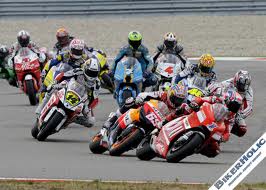
Moto Gp Grid Girl Show and The historical motogp
Grand Prix motor refers to the top class of motorcycle racing, currently divided into three classes of machine different: 125cc, 250cc and MotoGP (over 990cc). Motors used in MotoGP is made specifically for motor racing, and not sold to the public (street version of the motor for 125 and 250cc classes available). This contrasts with the various production categories of racing, such as World Superbike, that feature modified versions of motorcycles available for general.
History
Road Racing World Championship was first organized by the Federation Internationale de Motocyclisme (FIM) in 1949. At that traditionally have been held several races at each event for different classes of motors, based on engine capacity, and classes for sidecars (Motor bersespan). Existing classes when it is 50cc, 125cc, 250cc, 350cc, and 500cc for single-seater racing motorcycles, and 350cc and 500cc sidecars for motorcycles. Entering the 1950s and throughout the 1960s, motorcycle engines, four did not dominate the entire class. In the late 1960s, the motor engined two did not begin to master the small classes. In the 1970s, motorcycle engines, two did not really get rid of 4 stroke engines. In 1979, Honda tried to restore the engine 4 stroke the top class by lowering the motor NR500, but this project failed, and in 1983 Honda even winning with a 500cc bike not his second. In 1983, 350cc class finally abolished. 50cc class was replaced by the year 1984 80cC class, but class often dominated by the Spaniard and the Italian was finally abolished in 1990.
Class sidecars are also excluded from the world championships in the 1990s, leaving the 125cc, 250cc, and 500cc classes.
GP 500, the premier class of Grand Prix motor racing, has changed dramatically in recent years 2002. From the mid-1970s until 2001 the top class of GP racing limited four-cylinder and engine capacity of 500cc, both types of engines 4 stroke or 2 stroke. As a result, which can survive engine is 2-strokes, produces power and greater acceleration. In 2002 for the first time, manufacturers are allowed to enlarge the total capacity of a special machine for 4 stroke engine to a maximum of 990cc, and gave freedom to choose the number of cylinders used between three to six with a certain weight limit. With the motor bolehkannya 4 990cc no, the 500 GP class renamed to MotoGP. After the year 2003 does not exist anymore two machines that do not fall in the MotoGP class. For 125cc and 250cc classes in particular still using two machines do not.
Race for the MotoGP class is currently held as many as 17 series in 15 different countries (Spain held the third race weekend). Used in the title race every weekend with several stages.
Friday free practice at the title and the first official practice, and then carried out practice Saturday both official and QTT, where the drivers trying to make the best time to record determine their starting position. Own race was held on Sunday, although there was a series of Saturday is held in the Netherlands and Qatar. Grid (row starting position) consists of three drivers per line and usually every racing series was followed by about 20 drivers. Racing held for about 45 minutes and the driver raced along the specified number of rounds, without entry to the pit change tires or refuel.
Fuel Efficiency In The 2010 Ford Ranger
This year Ford has built their 2010 pickup trucks with flexibility, versatility and value and that includes excellent fuel economy, especially with the Ford Ranger. The fuel efficiency in the 2010 Ford Ranger is not only better than ever, but it also gives you options. As a Small light weight in the pick updepartment, customers can choose between the ''?compact pick-up truck''? sized efficient I-4 engine for maximum fuel efficiency or the larger and more powerful V-6 engine for maximum payload capacity.
The Ranger's EPA-estimated fuel economy rating for the rear wheel drive 5-speed manual transmission is 22 mpg in the city and 27 mpg on the highway for the 2.3 liter, 143 horsepower I-4 engine available for the XL and XLT models. The automatic transmission performance delivers 19 mpg inthe city and 24 mpg on the highway. Now that is something that the consumer can get excited about.
The 4.0 liter, 207 horsepower V6 engine with rear wheel drive and 5-speed manual transmission available on the XLT and standard on the Sport models has an EPA-estimated fuel economy rating of 16 mpg inthe city and 21 mpg on the highway while boasting a large towing capacity of 5,760 pounds. The estimated ratings for this engine with an automatic transmission and four wheel drive are 14 mpg inthe city and 18 mpg on the highway.
All in all, the 2010 Ford Ranger power performance demonstrates competitive horsepower numbers that could be higher when compared to other manufacturers' models, but offers an excellent fuel economy in comparison to competitors, especially for the models utilizing the 2.3 liter I-4 engine.
The Ranger's EPA-estimated fuel economy rating for the rear wheel drive 5-speed manual transmission is 22 mpg in the city and 27 mpg on the highway for the 2.3 liter, 143 horsepower I-4 engine available for the XL and XLT models. The automatic transmission performance delivers 19 mpg inthe city and 24 mpg on the highway. Now that is something that the consumer can get excited about.
The 4.0 liter, 207 horsepower V6 engine with rear wheel drive and 5-speed manual transmission available on the XLT and standard on the Sport models has an EPA-estimated fuel economy rating of 16 mpg inthe city and 21 mpg on the highway while boasting a large towing capacity of 5,760 pounds. The estimated ratings for this engine with an automatic transmission and four wheel drive are 14 mpg inthe city and 18 mpg on the highway.
All in all, the 2010 Ford Ranger power performance demonstrates competitive horsepower numbers that could be higher when compared to other manufacturers' models, but offers an excellent fuel economy in comparison to competitors, especially for the models utilizing the 2.3 liter I-4 engine.
Racing History Of Motogp
Road Racing World Championship was first organized by the Federation Internationale de Motocyclisme (FIM) in 1949. At the time it has traditionally been on hold several races at each event for different classes of motors, based on engine capacity, and classes for sidecars (motorcycles bersespan). Existing classes when it is 50cc, 125cc, 250cc, 350cc, and 500cc single-seater racing for motorcycles, and 350cc and 500cc sidecars for motorcycles. Entering the 1950s and throughout the 1960s, motorcycle engines, four did not dominate the entire class. In the late 1960s, the motorcycle-engined two did not begin to master the small classes. In the 1970s, motorcycle engines, two did not really get rid of 4 stroke engines. In 1979, Honda tried to restore the engine 4 stroke by lowering the top class of motor NR500, but this project failed, and in 1983, even Honda was winning with his motorcycle 500cc 2 stroke. In 1983, finally abolished 350cc class. 50cc class was replaced by 80cC class in 1984, but classes are often dominated by a rider from Spain and Italy was finally abolished in 1990. Class sidecars are also excluded from the world championships in the 1990s, leaving the 125cc, 250cc, and 500cc classes.
GP 500, the premier class of Grand Prix motor racing, has changed dramatically in 2002. From the mid-1970s until 2001 the top class of GP racing and limited four-cylinder 500cc engine capacity, both types of engines 4 stroke or 2 stroke. As a result, are able to survive is the engine two-strokes, produces power and greater acceleration. In the year 2002 until 2006 for the first time, manufacturers are allowed to enlarge the total capacity of a special machine to machine can not be a maximum of four 990cc, and 800cc in the season turned into 2007.pabrikan also given the freedom to choose the number of cylinders used between three to six with a weight limit particular. With the motor bolehkannya cc 4 stroke was large, the 500 GP class renamed to MotoGP. After the year 2003 there was no second machine that did not go down in the MotoGP class. For 125cc and 250cc classes in particular are still not using two machines.
Race for the MotoGP class is currently held as many as 17 series in 15 different countries (Spain held the third race weekend). Used in the title race every weekend with several stages. Friday free practice at the title and the first official practice, later on Saturday performed the second official practice and QTT, where the drivers trying to make the record the best time to determine their starting position. Own race was held on Sunday, although there was a series that was held Saturday is in the Netherlands and Qatar. Grid (row starting position) consists of three drivers per line and usually every racing series, followed by about 20 drivers. Racing held for about 45 minutes and drivers throughout the race specified number of rounds, without admission pit to change tires or refuel. Racing will be repeated in case of a fatal accident in the early races. The composition of the grid is not changed according to qualifying results. The drivers may enter the pit, if only to replace the motor because of rain during the race.
MotoGP Racing success is inseparable from the organizations involved within a few organizations who are members of the commission, among others FIM Grand Prix, Drona, IRTA and MSMA.
FIM (Federation Internationale de Motocyclisme), is the highest body in the world who care about motorcycles. FIM was established in 1904 was not only taking care of motor racing, but also became superintendent of production motorcycles are sold en masse, particularly about the safety and feasibility. In the ordinary motor racing, FIM is the agency in charge of and responsible about the regulatory and technical implementation of the race, also on the status, extent, and the criteria of a motor racing championship.
Drona is the organization administering the MotoGP race, or in other words, Drona is the promoter of the MotoGP championship. Drona is responsible for the quality of care events and also sponsors the event.
IRTA (International Road Racing Team Association), members of this organization consists of teams who follow the MotoGP race. This organization serves to channel the aspirations of the team and the drivers involved. With this organization the drivers can provide input and determine the rights and interests, including the contract value, safety and feasibility of the circuit.
MSMA (Motorcycle Sport Manufacturer Association), an organization composed in MotoGP from the manufacturer, motor manufacturers who follow the MotoGP championship, such as Honda, Yamaha, Ducati, Suzuki, Kawasaki, and other manufacturers. The function of this organization, among others, to decide the technical regulations on the regulation of the motor along with other organizations involved in the commission Grand Prix.
SPECIFICATIONS
Each of the regulations concerning each class is formed by the FIM race as an organization that authorities do it. FIM forming and issuing new regulations that are considered in accordance with the development race. At the beginning of the new MotoGP era in 2002, not 500cc motorcycle-engined 2 and 4 can not be allowed to be used in the 990cc race. Ultimate power from the motor-engine 4 stroke motorcycle engine that outperformed the two did not get rid of the whole machinery of the two no competition, and the next racing season there is no second motor was used.
In the year 2007, FIM will impose new regulations that the MotoGP bikes will be limited to 800cc 4 stroke. Reasons suggested the reduction of engine cylinder capacity is to increase the security of drivers, given the energy and peak velocity generated MotoGP machines has increased dramatically since 2002. MotoGP current speed record is 347.4 km / h printed by Loris Capirossi on a Ducati motorcycle circuit with Catalunya, Barcelona in 2004. As a comparison, the current F1 speed record is 369.9 km / h printed by Antonio Pizonia with BMW cars, the Monza circuit in 2004.
The decision to restrict the choice of engine capacity to 800cc (than with other methods of power restrictions, such as reducing the number of gear transmission is allowed) by the observers Honda MotoGP is very profitable. Honda uses a five-cylinder engine, and only need to reduce one cylinder to fix their machines to suit the new regulations, while other manufacturers have to redesign all of their machines. Restricted to 800cc also led to controversy that seems to present the motor used in the Superbike championship to be the fastest in the 1000cc motor racing circuits around the world.
Machines used in the 125cc class is limited as much as a single cylinder and with a minimum weight of 80 kilograms, while the 250cc class is limited to two silnder with minimum weight 100 pounds.
Motors for the MotoGP class is allowed to use the machine with the number of cylinders between three to six cylinders, and there are variations in the weight restrictions depending on the number of cylinders used. This is due to an engine with more cylinders, power output is also greater, and weight limits are increased. In 2006, the machines used in MotoGP is a four-and five-cylinder engine. Honda uses a five-cylinder, while the Yamaha, Ducati, Kawasaki, and Suzuki used four cylinder.
Motors are used in motor Grandprix made not only for racing only, but also as a venue for power struggles among manufacturers and technological advances. As a result all the MotoGP machines made by using very expensive materials and light such as titanium, and carbon-fiber-reinforced plastic. Motors are also using technology that is not available for public consumption, for example, is a sophisticated electronic devices including telemetry, engine management systems, traction control, carbon disc brakes, and modern engine technology adopted from the F1 car engine technology.
If the motors used in the MotoGP class only raced at world championship level, motors used in the 125cc and 250cc classes are relatively more affordable. The price of a more or less the same 125cc motorcycle with a car. These motors are often used in a national motor racing championships around the world.
One of several key challenges faced by drivers and engineers MotoGP MotoGP bike is how to channel the incredible power of the engine - more than 240 dk (179 kW), through the contact points of two tires and the asphalt surface with a circuit width is only about the human arm. As a comparison, F1 cars generate more than 950 dk (700 kW) but with four tires, so have the point of contact with the asphalt surface ten times wider than the MotoGP bike.
Engine Specifications
# Configuration: 4-cylinder v (Grade GP), 2-cylinder (class 250 cc and 125 cc).
# Capacity: 800 cc (Grade GP), 250 cc (250 cc class), 125 cc (125 cc class).
# Valve: 16-valve (GP), 8-valve (250 cc, 125 cc).
Job # valve: DOHC, four-valves per cylinder (GP), two-valves per cylinder (250 cc, 125 cc).
# Fuel: Without lead (no fuel control), 100 octane.
# Supply of fuel: fuel injection.
# Aspiration: Aspiration of normal.
# Strength: Kira - about 250 or 225 dk.
# Lubrication: Wet.
# Maximum / minimum engine speed: 17500-18000 rotations per minute.
# Cooling: Single water pump.
GP 500, the premier class of Grand Prix motor racing, has changed dramatically in 2002. From the mid-1970s until 2001 the top class of GP racing and limited four-cylinder 500cc engine capacity, both types of engines 4 stroke or 2 stroke. As a result, are able to survive is the engine two-strokes, produces power and greater acceleration. In the year 2002 until 2006 for the first time, manufacturers are allowed to enlarge the total capacity of a special machine to machine can not be a maximum of four 990cc, and 800cc in the season turned into 2007.pabrikan also given the freedom to choose the number of cylinders used between three to six with a weight limit particular. With the motor bolehkannya cc 4 stroke was large, the 500 GP class renamed to MotoGP. After the year 2003 there was no second machine that did not go down in the MotoGP class. For 125cc and 250cc classes in particular are still not using two machines.
Race for the MotoGP class is currently held as many as 17 series in 15 different countries (Spain held the third race weekend). Used in the title race every weekend with several stages. Friday free practice at the title and the first official practice, later on Saturday performed the second official practice and QTT, where the drivers trying to make the record the best time to determine their starting position. Own race was held on Sunday, although there was a series that was held Saturday is in the Netherlands and Qatar. Grid (row starting position) consists of three drivers per line and usually every racing series, followed by about 20 drivers. Racing held for about 45 minutes and drivers throughout the race specified number of rounds, without admission pit to change tires or refuel. Racing will be repeated in case of a fatal accident in the early races. The composition of the grid is not changed according to qualifying results. The drivers may enter the pit, if only to replace the motor because of rain during the race.
MotoGP Racing success is inseparable from the organizations involved within a few organizations who are members of the commission, among others FIM Grand Prix, Drona, IRTA and MSMA.
FIM (Federation Internationale de Motocyclisme), is the highest body in the world who care about motorcycles. FIM was established in 1904 was not only taking care of motor racing, but also became superintendent of production motorcycles are sold en masse, particularly about the safety and feasibility. In the ordinary motor racing, FIM is the agency in charge of and responsible about the regulatory and technical implementation of the race, also on the status, extent, and the criteria of a motor racing championship.
Drona is the organization administering the MotoGP race, or in other words, Drona is the promoter of the MotoGP championship. Drona is responsible for the quality of care events and also sponsors the event.
IRTA (International Road Racing Team Association), members of this organization consists of teams who follow the MotoGP race. This organization serves to channel the aspirations of the team and the drivers involved. With this organization the drivers can provide input and determine the rights and interests, including the contract value, safety and feasibility of the circuit.
MSMA (Motorcycle Sport Manufacturer Association), an organization composed in MotoGP from the manufacturer, motor manufacturers who follow the MotoGP championship, such as Honda, Yamaha, Ducati, Suzuki, Kawasaki, and other manufacturers. The function of this organization, among others, to decide the technical regulations on the regulation of the motor along with other organizations involved in the commission Grand Prix.
SPECIFICATIONS
Each of the regulations concerning each class is formed by the FIM race as an organization that authorities do it. FIM forming and issuing new regulations that are considered in accordance with the development race. At the beginning of the new MotoGP era in 2002, not 500cc motorcycle-engined 2 and 4 can not be allowed to be used in the 990cc race. Ultimate power from the motor-engine 4 stroke motorcycle engine that outperformed the two did not get rid of the whole machinery of the two no competition, and the next racing season there is no second motor was used.
In the year 2007, FIM will impose new regulations that the MotoGP bikes will be limited to 800cc 4 stroke. Reasons suggested the reduction of engine cylinder capacity is to increase the security of drivers, given the energy and peak velocity generated MotoGP machines has increased dramatically since 2002. MotoGP current speed record is 347.4 km / h printed by Loris Capirossi on a Ducati motorcycle circuit with Catalunya, Barcelona in 2004. As a comparison, the current F1 speed record is 369.9 km / h printed by Antonio Pizonia with BMW cars, the Monza circuit in 2004.
The decision to restrict the choice of engine capacity to 800cc (than with other methods of power restrictions, such as reducing the number of gear transmission is allowed) by the observers Honda MotoGP is very profitable. Honda uses a five-cylinder engine, and only need to reduce one cylinder to fix their machines to suit the new regulations, while other manufacturers have to redesign all of their machines. Restricted to 800cc also led to controversy that seems to present the motor used in the Superbike championship to be the fastest in the 1000cc motor racing circuits around the world.
Machines used in the 125cc class is limited as much as a single cylinder and with a minimum weight of 80 kilograms, while the 250cc class is limited to two silnder with minimum weight 100 pounds.
Motors for the MotoGP class is allowed to use the machine with the number of cylinders between three to six cylinders, and there are variations in the weight restrictions depending on the number of cylinders used. This is due to an engine with more cylinders, power output is also greater, and weight limits are increased. In 2006, the machines used in MotoGP is a four-and five-cylinder engine. Honda uses a five-cylinder, while the Yamaha, Ducati, Kawasaki, and Suzuki used four cylinder.
Motors are used in motor Grandprix made not only for racing only, but also as a venue for power struggles among manufacturers and technological advances. As a result all the MotoGP machines made by using very expensive materials and light such as titanium, and carbon-fiber-reinforced plastic. Motors are also using technology that is not available for public consumption, for example, is a sophisticated electronic devices including telemetry, engine management systems, traction control, carbon disc brakes, and modern engine technology adopted from the F1 car engine technology.
If the motors used in the MotoGP class only raced at world championship level, motors used in the 125cc and 250cc classes are relatively more affordable. The price of a more or less the same 125cc motorcycle with a car. These motors are often used in a national motor racing championships around the world.
One of several key challenges faced by drivers and engineers MotoGP MotoGP bike is how to channel the incredible power of the engine - more than 240 dk (179 kW), through the contact points of two tires and the asphalt surface with a circuit width is only about the human arm. As a comparison, F1 cars generate more than 950 dk (700 kW) but with four tires, so have the point of contact with the asphalt surface ten times wider than the MotoGP bike.
Engine Specifications
# Configuration: 4-cylinder v (Grade GP), 2-cylinder (class 250 cc and 125 cc).
# Capacity: 800 cc (Grade GP), 250 cc (250 cc class), 125 cc (125 cc class).
# Valve: 16-valve (GP), 8-valve (250 cc, 125 cc).
Job # valve: DOHC, four-valves per cylinder (GP), two-valves per cylinder (250 cc, 125 cc).
# Fuel: Without lead (no fuel control), 100 octane.
# Supply of fuel: fuel injection.
# Aspiration: Aspiration of normal.
# Strength: Kira - about 250 or 225 dk.
# Lubrication: Wet.
# Maximum / minimum engine speed: 17500-18000 rotations per minute.
# Cooling: Single water pump.
Tuesday, June 29, 2010
Folding car like carpet
William Lark, inventor Hiriko Citycar, posing beside the car electric vehicle creations during a presentation in Berlin, Germany, last Thursday (27 / 5). Cars by the Massachusetts Institute of Technology (MIT) is now being produced in the province of Álava and the Basque country, Spain.
Car for two people was deliberately developed to a dense urban environment. Because, Hiriko can be folded. So, the owner or user does not have to bother to find a place to park.
The plan, folding car will be produced in 2012. Before the sold and marketed to the public, the car will be tested once in five big cities in world. That is indeed the right solutions.
Car for two people was deliberately developed to a dense urban environment. Because, Hiriko can be folded. So, the owner or user does not have to bother to find a place to park.
The plan, folding car will be produced in 2012. Before the sold and marketed to the public, the car will be tested once in five big cities in world. That is indeed the right solutions.
History Of Train Locomotive
The train is the transportation of vehicles with the power of motion, either walking alone or bundled with other vehicles, which will be or are moving on rails. The train is a means of mass transportation that generally consists of a locomotive (vehicle with a power walk on his own motion) and a series of cart or carriage (coupled with other vehicles). Circuit train or car is relatively broad size so it can accommodate a passenger or goods on a large scale. Because of its nature as an effective mass transport, some countries try to use as a maximum as the main mode of transportation both inland transportation within the city, intercity, and interstate.
History
The same history as the history of railway transportation is generally beginning with the discovery of the wheel. Originally known as horse-drawn carriage which consists of only one train (circuit), then made the carriage which attracts more than one circuit and running at a certain point which is made of iron (rails) and is called gauge. This is used especially in mining areas where there are lorries which is bundled and drawn by horse power.
When James Watt discovered the steam engine, Nicolas Cugnot making three-wheeled vehicles fueled steam. People refer to the vehicle as an iron horse. Then Richard Trevithick made locomotive engine coupled with the carriage and use it on the show in front of the public. George Stephenson, who won the race to improve racing locomotive locomotive and used in Liverpool-Manchester line. At that time steam locomotive that used constructed grasshopper. Completion for the improvements made to obtain a more effective steam locomotive, a big powerful, and able to train more attractive.
The discovery of electricity by Michael Faraday made several discoveries that followed the discovery of electric equipment electric motors. Electric motor is then used to create a trolley which is the origin of electric railways. Then Rudolf Diesel diesel trains create a more powerful and more efficient than steam locomotives. Along with the development of electric and magnetic technology is more advanced, made magnetic trains that have speeds above the normal train speeds. Japan in the 1960s Super Express Train operates Shinkanzen with the Tokyo-Osaka route that eventually developed that covers all of Japan. Then the French operate trains with names similar to the TGV.
History
The same history as the history of railway transportation is generally beginning with the discovery of the wheel. Originally known as horse-drawn carriage which consists of only one train (circuit), then made the carriage which attracts more than one circuit and running at a certain point which is made of iron (rails) and is called gauge. This is used especially in mining areas where there are lorries which is bundled and drawn by horse power.
When James Watt discovered the steam engine, Nicolas Cugnot making three-wheeled vehicles fueled steam. People refer to the vehicle as an iron horse. Then Richard Trevithick made locomotive engine coupled with the carriage and use it on the show in front of the public. George Stephenson, who won the race to improve racing locomotive locomotive and used in Liverpool-Manchester line. At that time steam locomotive that used constructed grasshopper. Completion for the improvements made to obtain a more effective steam locomotive, a big powerful, and able to train more attractive.
The discovery of electricity by Michael Faraday made several discoveries that followed the discovery of electric equipment electric motors. Electric motor is then used to create a trolley which is the origin of electric railways. Then Rudolf Diesel diesel trains create a more powerful and more efficient than steam locomotives. Along with the development of electric and magnetic technology is more advanced, made magnetic trains that have speeds above the normal train speeds. Japan in the 1960s Super Express Train operates Shinkanzen with the Tokyo-Osaka route that eventually developed that covers all of Japan. Then the French operate trains with names similar to the TGV.
Monday, June 28, 2010
how to raise the bulldozer over cars (Pics)
Thursday, June 24, 2010
New Porsche Boxster Spyder,lightest car launch
Imagine if you choose a lighter car with a weight 1275 kg, surely you can run fast. Currently the newest version of the Porsche Boxster model release lightweight roadster. This car will be introduced at the Los Angeles Auto Show this December.
This lightweight version of the Boxster is also a reflection of the success of Porsche in the race who had driven 550 Spyder in the era of the 50s to the latest race car RS Spyder Le Mans Prototype.
With weights only 1.275kg, Boxster Spyder became the lightest model in the ranks of the Porsche today. Of course, despite the muscular racing, this model still follow the applicable homologation for road vehicles.
Special to this model, Porsche will make it in three versions, ie Boxster, Boxster and Boxster S Spyder.
Compared to previous models Boxster S, Boxster latest 80kg lighter. In addition, Porsche engineers have also revised the midpoint of gravity and suspension systems. These improvements, according to Porsche, have produced a driving dynamics control and better.
Boxster Spyder carries six-cylinder inline engine with a capacity of 3.4-liter Direct Fuel Injection. This machine was in the middle and able to release the 320th power of 10 hp or larger than model hp Boxster S.
Boxster Spyder, which has also brought the dual clutch technology, it only takes 4.8 seconds to flying out of the rest to the speed of 100 km / hr. Meanwhile, when the roof closed cabrioletnya, Boxster sped up to speeds capable of 267 km / hr.
Interestingly, although capable of racing so fast, this model is quite efficient because only requires 9.3 liters of gasoline per 100 km.
Well, if you are interested to start a message from now. Because, starting in February next year Porsche Boxster Spyder will start global sales.
This lightweight version of the Boxster is also a reflection of the success of Porsche in the race who had driven 550 Spyder in the era of the 50s to the latest race car RS Spyder Le Mans Prototype.
With weights only 1.275kg, Boxster Spyder became the lightest model in the ranks of the Porsche today. Of course, despite the muscular racing, this model still follow the applicable homologation for road vehicles.
Special to this model, Porsche will make it in three versions, ie Boxster, Boxster and Boxster S Spyder.
Compared to previous models Boxster S, Boxster latest 80kg lighter. In addition, Porsche engineers have also revised the midpoint of gravity and suspension systems. These improvements, according to Porsche, have produced a driving dynamics control and better.
Boxster Spyder carries six-cylinder inline engine with a capacity of 3.4-liter Direct Fuel Injection. This machine was in the middle and able to release the 320th power of 10 hp or larger than model hp Boxster S.
Boxster Spyder, which has also brought the dual clutch technology, it only takes 4.8 seconds to flying out of the rest to the speed of 100 km / hr. Meanwhile, when the roof closed cabrioletnya, Boxster sped up to speeds capable of 267 km / hr.
Interestingly, although capable of racing so fast, this model is quite efficient because only requires 9.3 liters of gasoline per 100 km.
Well, if you are interested to start a message from now. Because, starting in February next year Porsche Boxster Spyder will start global sales.
Steel mini cars made in india
Armored car - this time India had a great way to face a terrorist attack. An armored mini car created for use in confined spaces such as hotels and airports.
Event of terrorist attacks in Mumbai, in November last year a lesson.
165 deaths of people in the event of a terrorist attack during the 60 hours in a hotel in Mumbai is a distant memory. Indian people do not want to repeat the bitter events.
A company called Bodies Metaltech Pvt Ltd took the initiative to design a mini car bulletproof. Construction of a mini car prototype called Anti-Terrorist Assault Cart (Atac) had spent $ 45 thousand.
"Atac designed after the terrorist attacks," the company said that, quoted from the BBC.
Atac accommodate two armed security personnel, equipped with holes to shoot. Vehicle weight is under half a ton.
Atac been exhibited in India a few days ago. Prototype it got a standing ovation from the guests and the Indian military scientists now exhibited.
The company claims strong Atac against grenade blasts. Atac highest speed reached 25 miles per hour (15mph).
The company also offers prototype testing as a sponsor Atac Commonwelt Games event held in November this year.
"With increased threat, we require techniques such as nano-Atac," said Vice President Metaltech SW Thatte.
Event of terrorist attacks in Mumbai, in November last year a lesson.
165 deaths of people in the event of a terrorist attack during the 60 hours in a hotel in Mumbai is a distant memory. Indian people do not want to repeat the bitter events.
A company called Bodies Metaltech Pvt Ltd took the initiative to design a mini car bulletproof. Construction of a mini car prototype called Anti-Terrorist Assault Cart (Atac) had spent $ 45 thousand.
"Atac designed after the terrorist attacks," the company said that, quoted from the BBC.
Atac accommodate two armed security personnel, equipped with holes to shoot. Vehicle weight is under half a ton.
Atac been exhibited in India a few days ago. Prototype it got a standing ovation from the guests and the Indian military scientists now exhibited.
The company claims strong Atac against grenade blasts. Atac highest speed reached 25 miles per hour (15mph).
The company also offers prototype testing as a sponsor Atac Commonwelt Games event held in November this year.
"With increased threat, we require techniques such as nano-Atac," said Vice President Metaltech SW Thatte.
Sunday, June 20, 2010
History Of helicopter
What is Helicopter?
A helicopter is an aircraft that lifted and driven by one or more rotors (propeller) large horizontal. Helicopters are classified as a rotating-wing aircraft to distinguish them from ordinary fixed-wing aircraft other. The word comes from the Greek helicopter helix (spiral) and pteron (wing). A helicopter operated by the machine invented by the inventor of Slovakia in January Bahyl.
Compared with other fixed-wing aircraft, helicopters more complex and more expensive to buy and operate, too slow, has a close distance and roaming charges are limited. While profits are movements; helicopters capable of flying in place, backed up, and take off and land vertically. Limited additional facilities and fuel load / high altitude, the helicopter can fly to any location, and land anywhere in the field of the rotor and a half in diameter. Called a helipad helipad.
Actually, a helicopter trip into a form that is known at the time this takes quite a long period of time. This journey also involves the development of technology and also the inventor and developer helikoter.
The first helicopter flew the man is the Breguet-Richet helicopter, 1907. These helicopters flying in Douai, France on September 29, 1907. This helicopter is still getting help from four people who held the fourth leg. This effort did not get a good record as the first helicopter to fly free. Nevertheless, the helicopter was flying theories prove successful vertical while it is still considered a theory. This is the first machine that could fly by itself carry a pilot vertically as a result of wing lift swivel. This heli use the power of 50 hp Antoinette engine.
Helicopter flying really done by Paul Cutaneous use twin-engine helicopters Antoinette 24 hp at Lisieux, France on 13 November 1907. The flight lasted 20 seconds to a height of 0.3 meter. While the first Gyroplane Helicopter manifold achieved by C4 Autogiro Juan de la Cierva made. Autogiro first flew on January 9, 1923]]. The secret to success hinges on the adoption of a joint system of the flapping blades to the rotor head. While the helicopter which first flew successfully carried out by type of Fock Wulf FW-61 double berotor designed by Professor Heinrich Focke in the year 1933-1934. This helicopter made its inaugural flight on June 26, 1936 and engines powered by the Siemens-Halske Sh 14A-powered 160 hp. Heli was flown by Ewald Rohlfs. These helicopters fly as far as a record 122.35 km and long flown one hour 20 minutes 49 seconds. At other times he flew to a height of 3427 meters and a speed record 122 mph.
A helicopter is an aircraft that lifted and driven by one or more rotors (propeller) large horizontal. Helicopters are classified as a rotating-wing aircraft to distinguish them from ordinary fixed-wing aircraft other. The word comes from the Greek helicopter helix (spiral) and pteron (wing). A helicopter operated by the machine invented by the inventor of Slovakia in January Bahyl.
Compared with other fixed-wing aircraft, helicopters more complex and more expensive to buy and operate, too slow, has a close distance and roaming charges are limited. While profits are movements; helicopters capable of flying in place, backed up, and take off and land vertically. Limited additional facilities and fuel load / high altitude, the helicopter can fly to any location, and land anywhere in the field of the rotor and a half in diameter. Called a helipad helipad.
Actually, a helicopter trip into a form that is known at the time this takes quite a long period of time. This journey also involves the development of technology and also the inventor and developer helikoter.
The first helicopter flew the man is the Breguet-Richet helicopter, 1907. These helicopters flying in Douai, France on September 29, 1907. This helicopter is still getting help from four people who held the fourth leg. This effort did not get a good record as the first helicopter to fly free. Nevertheless, the helicopter was flying theories prove successful vertical while it is still considered a theory. This is the first machine that could fly by itself carry a pilot vertically as a result of wing lift swivel. This heli use the power of 50 hp Antoinette engine.
Helicopter flying really done by Paul Cutaneous use twin-engine helicopters Antoinette 24 hp at Lisieux, France on 13 November 1907. The flight lasted 20 seconds to a height of 0.3 meter. While the first Gyroplane Helicopter manifold achieved by C4 Autogiro Juan de la Cierva made. Autogiro first flew on January 9, 1923]]. The secret to success hinges on the adoption of a joint system of the flapping blades to the rotor head. While the helicopter which first flew successfully carried out by type of Fock Wulf FW-61 double berotor designed by Professor Heinrich Focke in the year 1933-1934. This helicopter made its inaugural flight on June 26, 1936 and engines powered by the Siemens-Halske Sh 14A-powered 160 hp. Heli was flown by Ewald Rohlfs. These helicopters fly as far as a record 122.35 km and long flown one hour 20 minutes 49 seconds. At other times he flew to a height of 3427 meters and a speed record 122 mph.
Bulldozer HISTORY
A bulldozer is a crawler (caterpillar tracked tractor), equipped with a substantial metal plate (known as a blade) used to push large quantities of soil, sand, rubble, etc., during construction work and typically equipped at the rear with a claw-like device (known as a ripper) to loosen densely-compacted materials. The term "bulldozer" is often used to mean any heavy equipment (sometimes a loader and sometimes an excavator), but precisely, the term refers only to a tractor (usually tracked) fitted with a dozer blade. That is the meaning used here.
The first bulldozers were adapted from Holt farm tractors that were used to plough fields. Their versatility in soft ground for logging and road building led directly to their becoming the armoured tank in World War I.
In 1923, a young farmer named James Cummings and a draftsman named J. Earl McLeod made the first designs for a bulldozer. A replica is on display at the city park in Morrowville, Kansas where the two built the first bulldozer.
By the 1920s, tracked vehicles became common, particularly the Caterpillar 60. To dig canals, raise earth dams, and do other earth moving jobs, these tractors were equipped with a large thick metal plate in front. This metal plate (it got its curved shape later) is called a "blade". The blade peels layers of soil and pushes it forward as the tractor advances. In some early models the driver sat on top in the open without a cabin. There are three main types of bulldozer blades: a U-blade for pushing and carrying dirt relatively long distances, a straight blade for "knocking down" and spreading piles of dirt, and a brush rake for removing brush and roots. These attachments (home-built or built by small equipment manufacturers of attachments for wheeled and crawler tractors and trucks) appeared by 1929. Widespread acceptance of the bull-grader does not seem to appear before the mid-1930s. The addition of power down-force provided by hydraulic cylinders instead of just the weight of the blade made them the preferred excavation machine for large and small contractors alike by the 1940s, by which time the term "bulldozer" referred to the entire machine and not just the attachment.
Over the years, bulldozers got bigger and more powerful in response to the demand for equipment suited for ever larger earthworks. Firms like Caterpillar, Komatsu, Case, JCB, Liebherr, Terex, Fiat-Allis, John Deere and International Harvester manufactured large tracked-type earthmoving machines.
Bulldozers grew more sophisticated as time passed. Important improvements include drivetrains analogous to (in automobiles) an automatic transmission instead of a manual transmission, blades controlled by hydraulic cylinders instead of early models' cable winch/brake, and automatic grade control. Hydraulic cylinders enabled more precise manipulation of the blade and automated controls.
Bulldozers can be equipped with a rear attachment.
The most common attachment is a ripper to loosen densely-compacted soils. A large bulldozer usually has only one shank on the ripper, and a small bulldozer usually has multiple shanks. Each shank has a replaceable tooth on its end.
A less common attachment is a stumpbuster, which is a single spike that protrudes horizontally and can be raised to get it (mostly) out of the way. A stumpbuster is used to split a tree stump. A bulldozer with a stumpbuster is used for landclearing operations, and probably has a brush-rake blade.
A more recent innovation is the outfitting of bulldozers with GPS technology, such as manufactured by Topcon Positioning Systems, Inc., Trimble Inc, Leica Geosystems or Mikrofyn for precise grade control and (potentially) "stakeless" construction.
The best known maker of bulldozers is probably Caterpillar in the USA, which earned its reputation by making tough, durable, reliable machines. Komatsu, JCB and John Deere are present-day competitors. Although these machines began as modified farm tractors, they became the mainstay for big civil construction projects, and found their way into use by military construction units worldwide. The best known model, the Caterpillar D9, was also used to clear mines and demolish enemy structures.
Most often, bulldozers are large and powerful tracked heavy equipment. The tracks give them excellent ground hold and mobility through very rough terrain. Wide tracks help distribute the bulldozer's weight over a large area (decreasing pressure), thus preventing it from sinking in sandy or muddy ground. Extra wide tracks are known as 'swamp tracks'. Bulldozers have excellent ground hold and a torque divider designed to convert the engine's power into improved dragging ability. The Caterpillar D9, for example, can easily tow tanks that weigh more than 70 tons. Because of these attributes, bulldozers are used to clear areas of obstacles, shrubbery, burnt vehicles, and remains of structures.
Sometimes a bulldozer is used to push another piece of earthmoving equipment known as a "scraper". The towed Fresno Scraper, invented in 1883 by James Porteous, was the first design to enable this to be done economically, removing the soil from the cut and depositing it elsewhere on shallow ground (fill). Many dozer blades have a reinforced center section with this purpose in mind, and are called "bull blades."
The bulldozer's primary tools are the blade and the ripper.
Blade
The bulldozer blade is a heavy metal plate on the front of the tractor, used to push objects, and shoving sand, soil and debris. Dozer blades usually come in three varieties:
1. A Straight Blade ("S-Blade") which is short and has no lateral curve, no side wings, and can be used for fine grading.
2. A Universal Blade ("U-Blade") which is tall and very curved, and has large side wings to carry more material.
3. A "S-U" combination blade which is shorter, has less curvature, and smaller side wings. This blade is typically used for pushing piles of large rocks, such as at a quarry.
In military use, dozer blades are fixed on combat engineering vehicles and can optionally be fitted on other vehicles, such as artillery tractors like the Type 73 or M8 Tractor. Dozer blades can also be mounted on Main battle tanks, where it can be used to clear antitank obstacles, mines, and dig improvised shelters. Combat applications for dozer blades include clearing battlefield obstacles and preparing fire positions.
Ripper
The ripper is the long claw-like device on the back of the bulldozer. Rippers can come singly (single shank/giant ripper) or in groups of two or more (multi shank rippers). Usually, a single shank is preferred for heavy ripping. The ripper shank is fitted with a replaceable tungsten steel alloy tip.
Ripping rock lets the ground surface rock be broken into small rubble easy to handle and transport, which can then be removed so grading can take place. Agricultural ripping lets rocky or very hard earth (such as podzol hardpan) be broken up so otherwise unploughable land can be farmed. For example, much of the best land in the California wine country consists of old lava flows. With heavy bulldozers the lava is shattered, allowing agriculture. Also, hard earth can be ripped and decompacted to allow planting of orchards where trees could not otherwise grow.
Modifications
Bulldozers have been further modified over time to evolve into new machines which can work in ways that the original bulldozer cannot.
One example is that loader tractors were created by removing the blade and substituting a large volume bucket and hydraulic arms which can raise and lower the bucket, thus making it useful for scooping up earth and loading it into trucks, these are often known as a Drott.
Other modifications to the original bulldozer include making it smaller to let it operate in small work areas where movement is limited, such as in mining. A very small bulldozer is sometimes called a calfdozer.
Some lightweight form of bulldozer are commonly used in snow removal and as a tool for preparing winter sports areas for ski and snowboard sports.
Nevertheless, the original earthmoving bulldozers are still irreplaceable as their tasks are concentrated in deforestation, earthmoving, ground levelling, and road carving. Heavy bulldozers are mainly employed to level the terrain to prepare it for construction. The construction, however, is mainly done by small bulldozers and loader tractors.
Armored bulldozers
Some bulldozers, especially bulldozers in military usage, have been fitted with armor to protect the driver from enemy fire, enabling the bulldozer to operate in battle zones. The best-known use of an armored bulldozer is probably the use by the Israeli Defense Forces (IDF) of the IDF Caterpillar D9, for earth moving, clearing terrain obstacles, opening routes, detonating explosive charges and demolishing structures whilst under fire. The extensive use of armored bulldozers during the Second Intifada drew controversy and criticism from human rights organizations while military experts saw it as a key factor in reducing IDF casualties.
Some bulldozers have been fitted with armor by non-government civilian operators to prevent bystanders or police from interfering with the work performed by the bulldozer, as in the case of strikes or demolition of condemned buildings. This has also been done by civilians with a dispute with the authorities, such as Marvin Heemeyer, who outfitted his Komatsu D355A bulldozer with homemade composite armor to then demolish government buildings.
Rio de Janeiro's police elite squad BOPE have recently acquired one bulldozer of military purposes to open routes and make way for the police in Rio de Janeiro's slums which are controlled, and blocked, by drugdealers.They've nicknamed it "the skull's transformer", the skull being a reference to how they call themselves, "the skulls".
The first bulldozers were adapted from Holt farm tractors that were used to plough fields. Their versatility in soft ground for logging and road building led directly to their becoming the armoured tank in World War I.
In 1923, a young farmer named James Cummings and a draftsman named J. Earl McLeod made the first designs for a bulldozer. A replica is on display at the city park in Morrowville, Kansas where the two built the first bulldozer.
By the 1920s, tracked vehicles became common, particularly the Caterpillar 60. To dig canals, raise earth dams, and do other earth moving jobs, these tractors were equipped with a large thick metal plate in front. This metal plate (it got its curved shape later) is called a "blade". The blade peels layers of soil and pushes it forward as the tractor advances. In some early models the driver sat on top in the open without a cabin. There are three main types of bulldozer blades: a U-blade for pushing and carrying dirt relatively long distances, a straight blade for "knocking down" and spreading piles of dirt, and a brush rake for removing brush and roots. These attachments (home-built or built by small equipment manufacturers of attachments for wheeled and crawler tractors and trucks) appeared by 1929. Widespread acceptance of the bull-grader does not seem to appear before the mid-1930s. The addition of power down-force provided by hydraulic cylinders instead of just the weight of the blade made them the preferred excavation machine for large and small contractors alike by the 1940s, by which time the term "bulldozer" referred to the entire machine and not just the attachment.
Over the years, bulldozers got bigger and more powerful in response to the demand for equipment suited for ever larger earthworks. Firms like Caterpillar, Komatsu, Case, JCB, Liebherr, Terex, Fiat-Allis, John Deere and International Harvester manufactured large tracked-type earthmoving machines.
Bulldozers grew more sophisticated as time passed. Important improvements include drivetrains analogous to (in automobiles) an automatic transmission instead of a manual transmission, blades controlled by hydraulic cylinders instead of early models' cable winch/brake, and automatic grade control. Hydraulic cylinders enabled more precise manipulation of the blade and automated controls.
Bulldozers can be equipped with a rear attachment.
The most common attachment is a ripper to loosen densely-compacted soils. A large bulldozer usually has only one shank on the ripper, and a small bulldozer usually has multiple shanks. Each shank has a replaceable tooth on its end.
A less common attachment is a stumpbuster, which is a single spike that protrudes horizontally and can be raised to get it (mostly) out of the way. A stumpbuster is used to split a tree stump. A bulldozer with a stumpbuster is used for landclearing operations, and probably has a brush-rake blade.
A more recent innovation is the outfitting of bulldozers with GPS technology, such as manufactured by Topcon Positioning Systems, Inc., Trimble Inc, Leica Geosystems or Mikrofyn for precise grade control and (potentially) "stakeless" construction.
The best known maker of bulldozers is probably Caterpillar in the USA, which earned its reputation by making tough, durable, reliable machines. Komatsu, JCB and John Deere are present-day competitors. Although these machines began as modified farm tractors, they became the mainstay for big civil construction projects, and found their way into use by military construction units worldwide. The best known model, the Caterpillar D9, was also used to clear mines and demolish enemy structures.
Most often, bulldozers are large and powerful tracked heavy equipment. The tracks give them excellent ground hold and mobility through very rough terrain. Wide tracks help distribute the bulldozer's weight over a large area (decreasing pressure), thus preventing it from sinking in sandy or muddy ground. Extra wide tracks are known as 'swamp tracks'. Bulldozers have excellent ground hold and a torque divider designed to convert the engine's power into improved dragging ability. The Caterpillar D9, for example, can easily tow tanks that weigh more than 70 tons. Because of these attributes, bulldozers are used to clear areas of obstacles, shrubbery, burnt vehicles, and remains of structures.
Sometimes a bulldozer is used to push another piece of earthmoving equipment known as a "scraper". The towed Fresno Scraper, invented in 1883 by James Porteous, was the first design to enable this to be done economically, removing the soil from the cut and depositing it elsewhere on shallow ground (fill). Many dozer blades have a reinforced center section with this purpose in mind, and are called "bull blades."
The bulldozer's primary tools are the blade and the ripper.
Blade
The bulldozer blade is a heavy metal plate on the front of the tractor, used to push objects, and shoving sand, soil and debris. Dozer blades usually come in three varieties:
1. A Straight Blade ("S-Blade") which is short and has no lateral curve, no side wings, and can be used for fine grading.
2. A Universal Blade ("U-Blade") which is tall and very curved, and has large side wings to carry more material.
3. A "S-U" combination blade which is shorter, has less curvature, and smaller side wings. This blade is typically used for pushing piles of large rocks, such as at a quarry.
In military use, dozer blades are fixed on combat engineering vehicles and can optionally be fitted on other vehicles, such as artillery tractors like the Type 73 or M8 Tractor. Dozer blades can also be mounted on Main battle tanks, where it can be used to clear antitank obstacles, mines, and dig improvised shelters. Combat applications for dozer blades include clearing battlefield obstacles and preparing fire positions.
Ripper
The ripper is the long claw-like device on the back of the bulldozer. Rippers can come singly (single shank/giant ripper) or in groups of two or more (multi shank rippers). Usually, a single shank is preferred for heavy ripping. The ripper shank is fitted with a replaceable tungsten steel alloy tip.
Ripping rock lets the ground surface rock be broken into small rubble easy to handle and transport, which can then be removed so grading can take place. Agricultural ripping lets rocky or very hard earth (such as podzol hardpan) be broken up so otherwise unploughable land can be farmed. For example, much of the best land in the California wine country consists of old lava flows. With heavy bulldozers the lava is shattered, allowing agriculture. Also, hard earth can be ripped and decompacted to allow planting of orchards where trees could not otherwise grow.
Modifications
Bulldozers have been further modified over time to evolve into new machines which can work in ways that the original bulldozer cannot.
One example is that loader tractors were created by removing the blade and substituting a large volume bucket and hydraulic arms which can raise and lower the bucket, thus making it useful for scooping up earth and loading it into trucks, these are often known as a Drott.
Other modifications to the original bulldozer include making it smaller to let it operate in small work areas where movement is limited, such as in mining. A very small bulldozer is sometimes called a calfdozer.
Some lightweight form of bulldozer are commonly used in snow removal and as a tool for preparing winter sports areas for ski and snowboard sports.
Nevertheless, the original earthmoving bulldozers are still irreplaceable as their tasks are concentrated in deforestation, earthmoving, ground levelling, and road carving. Heavy bulldozers are mainly employed to level the terrain to prepare it for construction. The construction, however, is mainly done by small bulldozers and loader tractors.
Armored bulldozers
Some bulldozers, especially bulldozers in military usage, have been fitted with armor to protect the driver from enemy fire, enabling the bulldozer to operate in battle zones. The best-known use of an armored bulldozer is probably the use by the Israeli Defense Forces (IDF) of the IDF Caterpillar D9, for earth moving, clearing terrain obstacles, opening routes, detonating explosive charges and demolishing structures whilst under fire. The extensive use of armored bulldozers during the Second Intifada drew controversy and criticism from human rights organizations while military experts saw it as a key factor in reducing IDF casualties.
Some bulldozers have been fitted with armor by non-government civilian operators to prevent bystanders or police from interfering with the work performed by the bulldozer, as in the case of strikes or demolition of condemned buildings. This has also been done by civilians with a dispute with the authorities, such as Marvin Heemeyer, who outfitted his Komatsu D355A bulldozer with homemade composite armor to then demolish government buildings.
Rio de Janeiro's police elite squad BOPE have recently acquired one bulldozer of military purposes to open routes and make way for the police in Rio de Janeiro's slums which are controlled, and blocked, by drugdealers.They've nicknamed it "the skull's transformer", the skull being a reference to how they call themselves, "the skulls".
Subscribe to:
Posts (Atom)